Biography
Prof Karen Duff is a leader in the field of neurodegenerative disease having first started her career as a PhD student in the Cambridge department of Nobel Prize winner Sydney Brenner. Prof Duff has worked for over 30 years on Alzheimer’s disease and the tauopathies, for which she was awarded the prestigious Potamkin Prize in 2006. Her interests span a range of research areas, from discovery science through to therapeutic approaches. Over her career she has created several important mouse models for AD and FTD-tau and she has studied several disease-associated molecular mechanisms using innovative and state of the art methods. Her most recent interests include the causes and consequences of tau pathology propagation, and the basis of selective cellular vulnerability. Prof Duff recently left Columbia University in New York and has joined the UK DRI at UCL as Centre Director, leading a dynamic and ambitious programme of multidisciplinary and clinically-orientated research.
Honours & awards
2024 - Doctor of Science Honoris Causa, University of East Anglia
2022 - Fellow of the Academy of Medical Sciences
2020 - Outstanding Contribution to Neuroscience Prize, British Neuroscience Association
2006 - Potamkin Prize for Alzheimer’s Disease Research * top award in AD field
2001 - OMH Research Award for Excellence in Research
2000 - FEBS award for Outstanding Contribution to Biochemistry and Molecular Biology
2000 - Weill award, American Association of Neuropathologists
News

Research interest
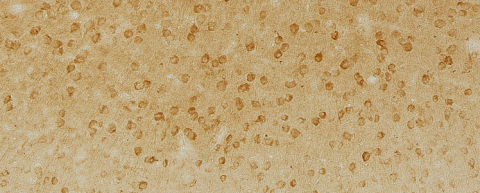
- exploring the mechanisms involved in the spread of pathogenic proteins within the brain
- understanding the basis of selective cellular vulnerability and resilience to tauopathy
- developing new mouse and cell models to understand the earliest stages in tau pathogenesis
Key publications
Duff Lab
Explore the work of the Duff Lab, revealing the molecular causes and consequences of tauopathy in Alzheimer's disease and frontotemporal dementia