
Afra Aabdien organised and delivered two creative neuroscience workshops earlier this year, with support from the UK DRI Public Engagement Grant Scheme. Here, she shares her reflections on the experience.
In May 2026, I delivered two creative neuroscience workshops in partnership with Enlighten Academy, supported by funding from the UK DRI. My audience consisted of 20 students aged 11–15, who were attending a tuition centre in Stockwell and Harrow Road, London, where I regularly volunteer. I wanted to introduce students from underrepresented communities to the brain and nervous system, while giving them an opportunity to meet a practising neuroscientist and explore where their interest in science might lead.
Preparing the workshops encouraged me to step back from the molecular details I work with every day and return to the questions that make neuroscience so compelling: how do we move, think and respond to the world, and what happens when these processes go wrong? Combining science with creative activities offered a way for students to explore these questions for themselves.
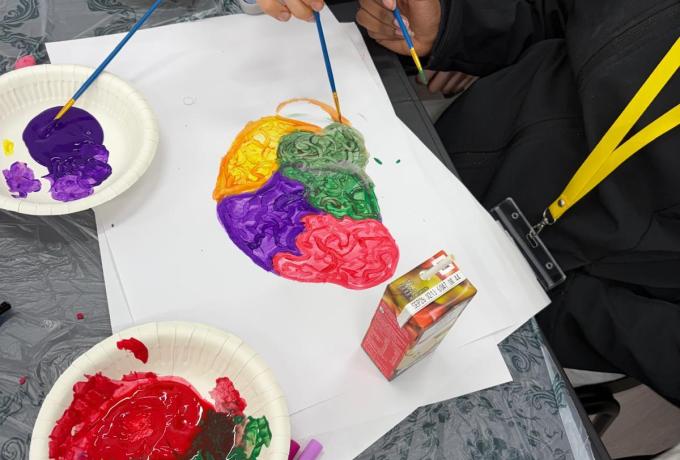
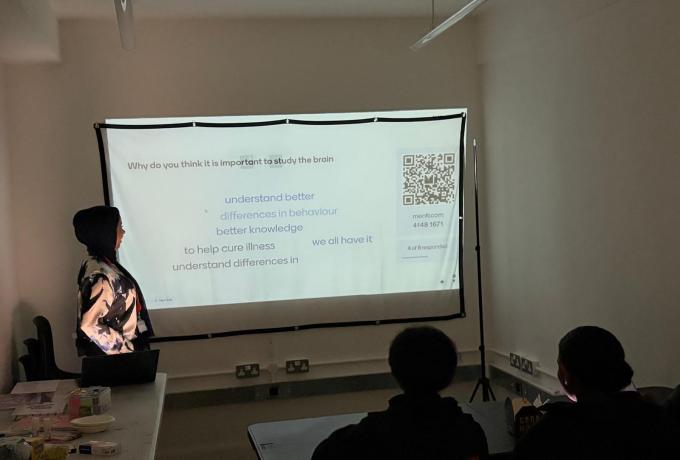
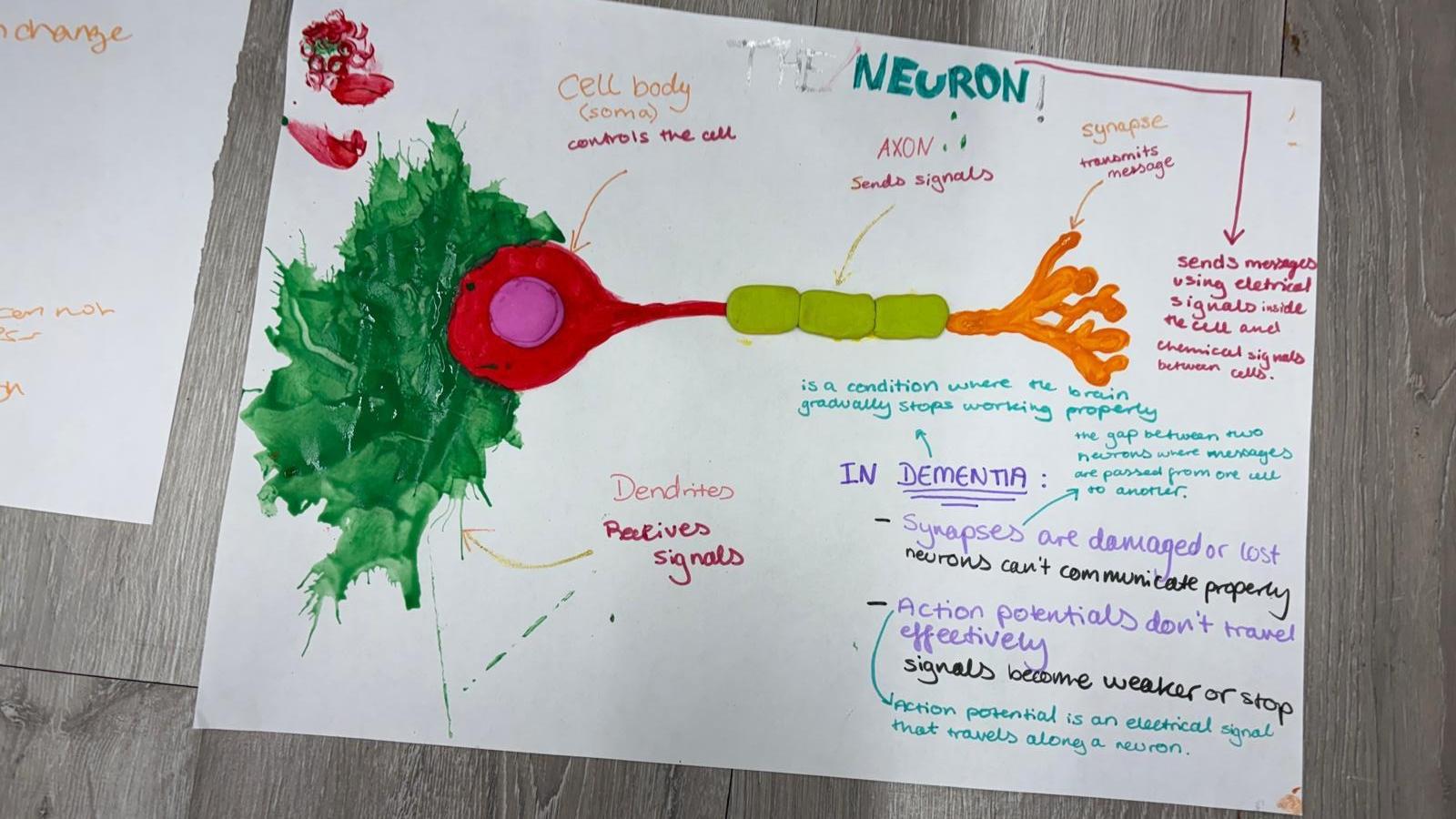
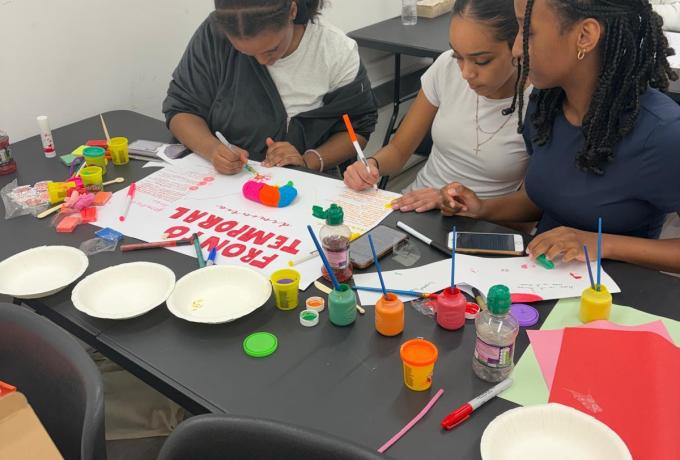
The first workshop introduced the structure and function of the nervous system. We explored what neurons look like, how they communicate and how the nervous system responds to the world around us. Using materials purchased through the award, including clay, paint, paper, string and wire, students created models and artistic representations of what they had learned. This turned unfamiliar biological concepts into something they could see, handle and discuss.
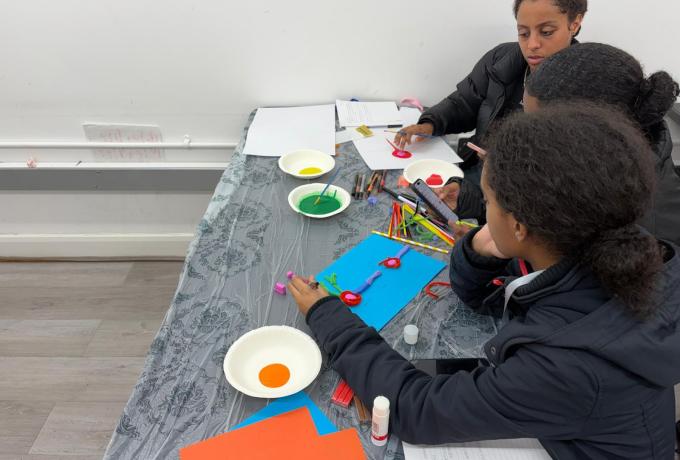
As students worked on their models, we revisited ideas and talked through what they were representing. The activities gave them time to develop questions and express their understanding in their own way. For a group spanning Years 7 to 10, this was particularly valuable: students had several ways to participate, including those who were less comfortable speaking in front of the class.
“For me, art is a powerful way to communicate science. When students build or draw a neuron, they have time to think about its structure, ask questions and make sense of what they are learning. Watching their confidence grow reinforced my belief that creative outlets can help young people understand the brain and feel more connected to science.”
Dr Afra Aabdien
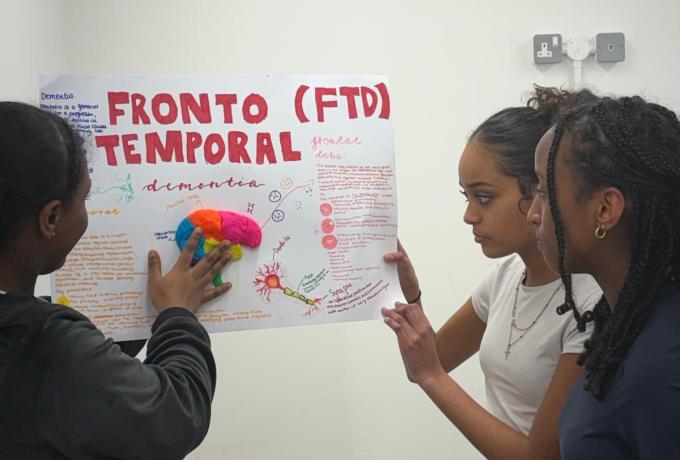
In the second workshop, we built on this foundation to explore neurodegeneration: what happens when neurons become damaged or die, and how this affects people’s lives. I also introduced how scientists investigate these conditions in laboratories and work towards future treatments. Students used the creative materials to represent what they had learned and presented their understanding to the group. Seeing them explain these ideas to one another was especially rewarding.
What stayed with me most was their growing confidence. They became increasingly willing to ask questions and contribute to discussions. For many, this was their first opportunity to speak directly with a practising neuroscientist. Their enthusiasm reminded me how valuable these encounters can be, particularly for young people who have fewer opportunities to connect with university research.
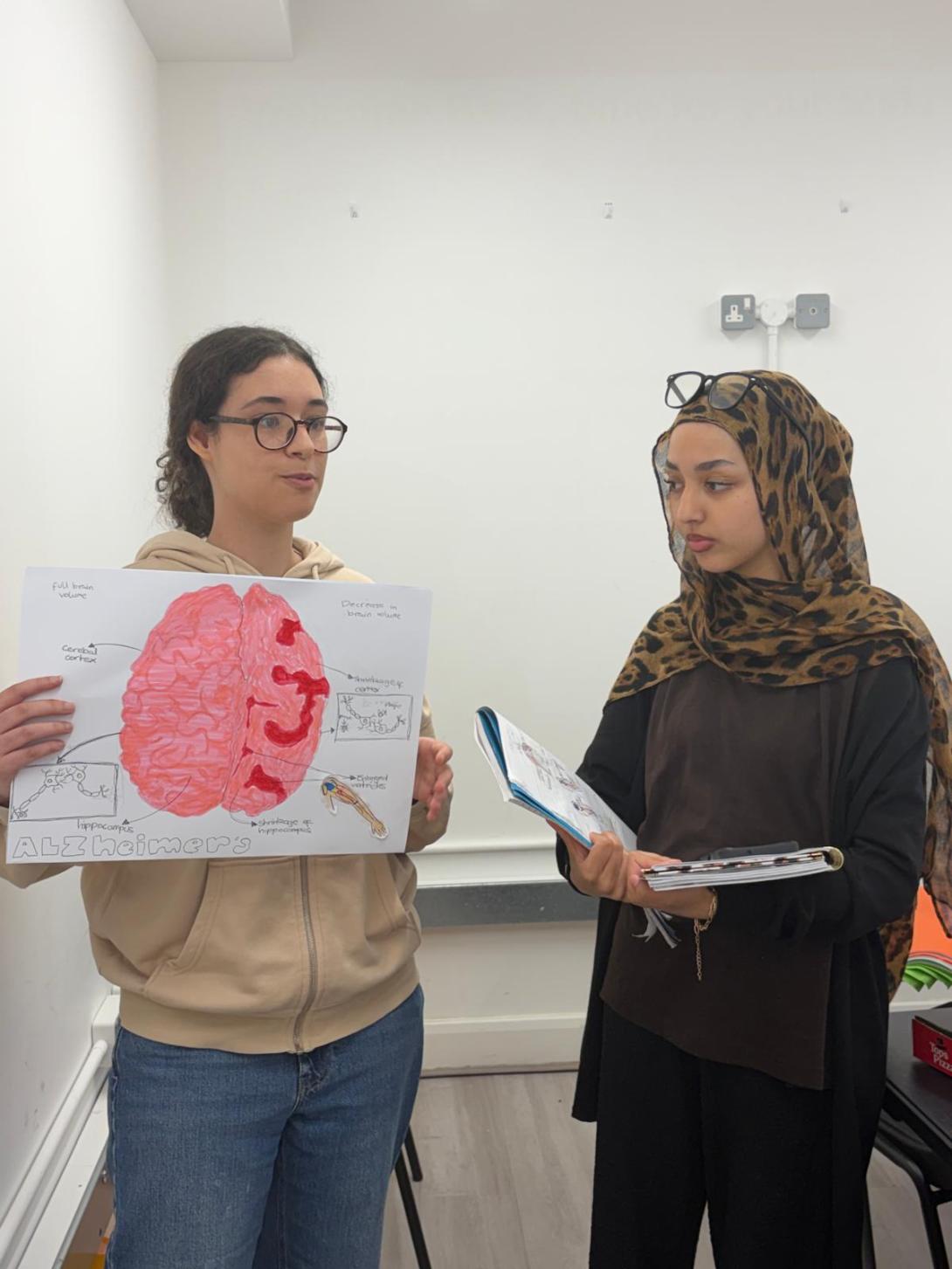
Students presenting their understanding of dementia to the class
One student, Shrouq, a science prefect at her school, described her longstanding fascination with the brain. She spoke about learning about frontotemporal dementia for the first time and discovering that dementia can also affect younger people. Her feedback showed how a workshop could build on an existing interest and give it somewhere to grow:
“I’ve been interested in the brain since I was little, and this workshop gave me the chance to learn so much more. I discovered frontotemporal dementia for the first time and challenged myths I hadn’t questioned before. I really hope there are more workshops like this to encourage young students to get involved.”
Shrouq, workshop participant and school science prefect
Another student was left reflecting “The group practical was the most meaningful part of the session. It left me wondering whether a cure for Parkinson’s dementia will ever be found.” Meanwhile, Naomi and Haroney, said “It was useful to understand which parts of the brain are affected by different diseases. We really enjoyed applying what we had learned to our group projects.”
Opportunities to meet researchers and explore scientific careers are unevenly distributed. A conversation with a scientist can make an unfamiliar path feel more tangible, giving students a chance to ask what research involves, how someone entered the field and how they might get there themselves. Reaching underrepresented communities matters because an interest in science deserves opportunities to develop and also encourage their retention through education.
These workshops strengthened my commitment to bringing neuroscience into community spaces through creative learning and open conversation. I am grateful to the UK DRI for making them possible, and I hope to build on this experience with further outreach. I want more young people to leave with a clearer understanding of the brain, the confidence to keep asking questions, and I hope their curiosity could one day lead some of them to adopting a career in neuroscience research.