Research led by Dr Dimitra Sokolova, Dr Francesca Puletti and Prof Soyon Hong (UK DRI at UCL) reveals new insight into the communication between two types of cells in the brain, and how this leads to the loss of synapses – the connection points between brain cells. Published in Neuron, the study points to a potential therapeutic avenue for protecting synapses.
What was the challenge?
One of the earliest changes in Alzheimer’s is the loss of synapses, which are essential for learning and memory. Why this occurs, and why some brain regions are particularly vulnerable is not well understood. In this study, the researchers examined the communication between two key brain cell types in mediating synapse loss.
Astrocytes, the brain’s support cells, usually help to support and protect synapses. Microglia, the brain’s resident immune cells, are implicated in synapse loss in Alzheimer’s, but how they select which synapses to target is as yet unclear.
What did the team do and what did they find?
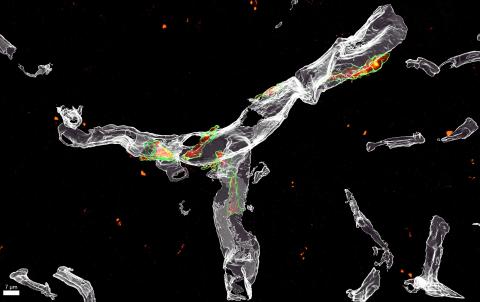
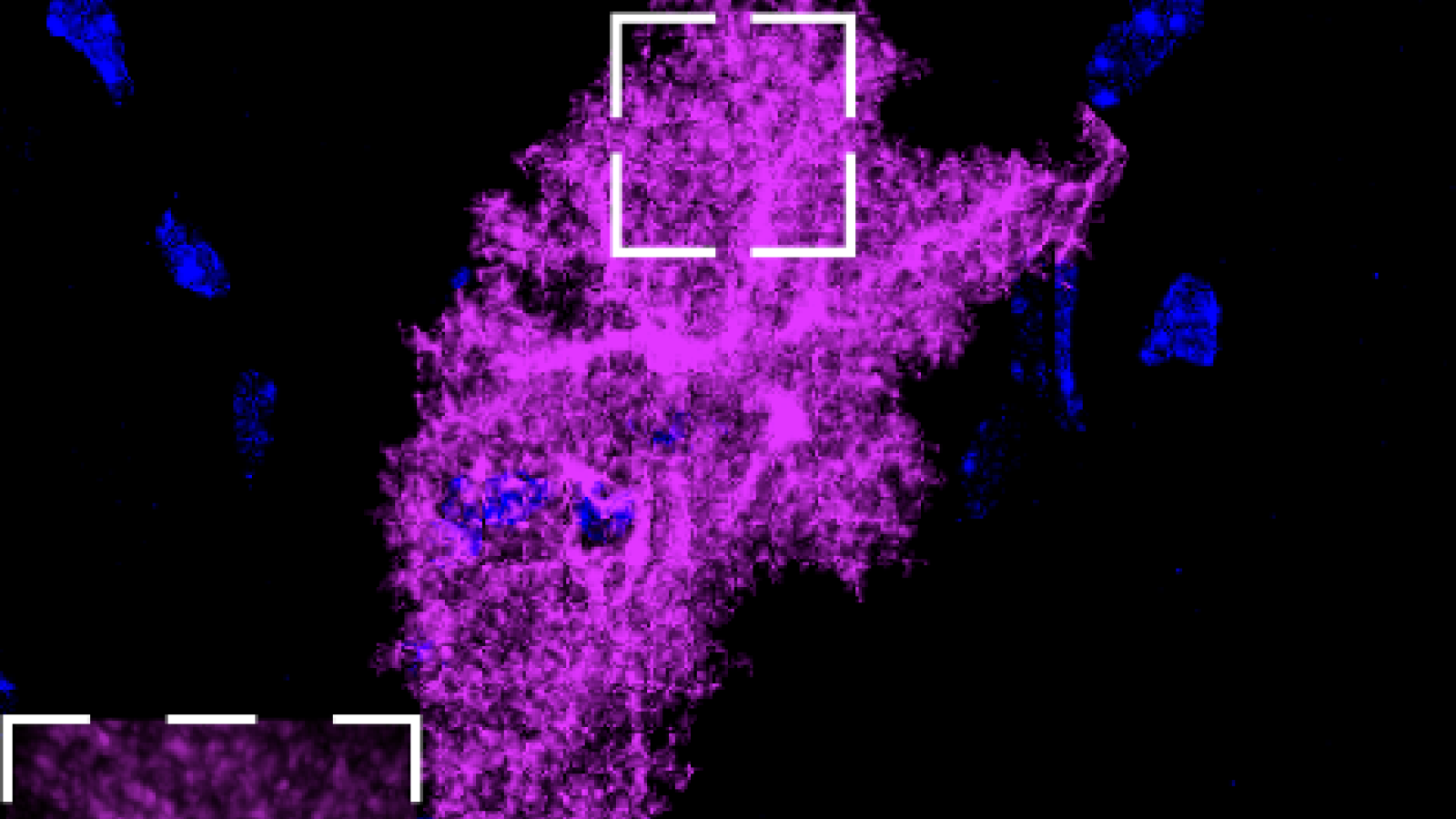
In this study, the researchers used a mouse model of Alzheimer’s to examine the communication between astrocytes and microglia. They found that astrocytes changed early in the disease process in the mice. These changes appeared in the vulnerable regions before the hallmark amyloid clumps had spread widely and before obvious inflammation set in.
The fine branches of the astrocytes became swollen and clogged with cellular waste, and the cells’ internal recycling and signalling systems stopped working properly. As a result, they protected fewer synapses.
Dr Sokolova said:
“These altered astrocytes appear early, in the brain regions vulnerable in Alzheimer’s, and long before plaques really accumulate. That timing and regional pattern suggests that astrocytes may be upstream regulators of which synapses become vulnerable.”
The altered astrocytes also released more of a molecule called MFG-E8. This acted as a signal to microglia, the brain’s immune cells, prompting them to engulf and remove nearby synapses. When the team stopped astrocytes from producing MFG-E8, the mice lost fewer synapses. They also had lower levels of amyloid, less inflammation and improved memory.
Prof Hong explained:
“Astrocytes normally help maintain synapses, but we show that, in vulnerable regions, they develop striking changes in their structure and function before widespread amyloid plaque formation. Blocking MFG-E8 signalling could be a viable therapeutic avenue to prevent synapse loss in Alzheimer’s.”
What is the impact?
By showing how altered communication between astrocytes and microglia contributes to synapse loss, this study reveals a process that could potentially be interrupted. Reducing the astrocyte signal MFG-E8 protected synapses and improved memory in mice. Next, the team will establish whether targeting this pathway could offer similar protection in people with Alzheimer’s disease.
Dr Puletti said:
“What makes these findings particularly interesting is that changes in astrocytes appear very early in Alzheimer's disease, before extensive pathology develops. Understanding what happens at these early stages may be crucial for identifying opportunities to protect the brain before irreversible damage occurs.”
Read the full Neuron article here: https://www.cell.com/neuron/fulltext/S0896-6273(26)00807-X