
A new study, co-led by researchers at the UK DRI at King’s and the UK DRI at UCL will investigate how neurons can protect themselves from toxic protein accumulation, with implications for neurodegenerative diseases and ageing.
The project will build on recent research from Prof Jernej Ule’s lab (UK DRI at King’s), which discovered interstasis, a mechanism by which cells regulate proteins that like to cluster together into tiny liquid-like compartments called ‘condensates’ that help cells organise proteins and RNA molecules. Condensates need to be tightly regulated, however, to prevent their transition into toxic protein clumps.
Prof Ule will co-lead the project along with Dr Mathieu Bourdenx (UK DRI at UCL). Together they have been awarded £3.8M via a Wellcome Discovery Award, to investigate cellular mechanisms that may protect neurons from damage due to cellular stress or ageing.
Dr Bourdenx will lead on screening small molecules, such as proteins and RNA, to understand how they interact with each other and mechanisms such as interstasis.
In healthy cells, proteins perform the everyday tasks that keep the cell functioning, while RNA carries the genetic instructions needed to make new proteins from DNA. In many age-related diseases, including Alzheimer's disease and motor neuron disease, specific proteins form toxic clumps inside cells, which disrupt normal cellular processes.
Many disease linked proteins bind RNA, and many of these proteins clump together in neurodegenerative diseases due to genetic mutations or ageing-related stress. Our study of interstasis might uncover new principles that cells use to detect protein imbalances early on and thus minimise the formation of toxic clumps
Centre Director & Research Division Lead
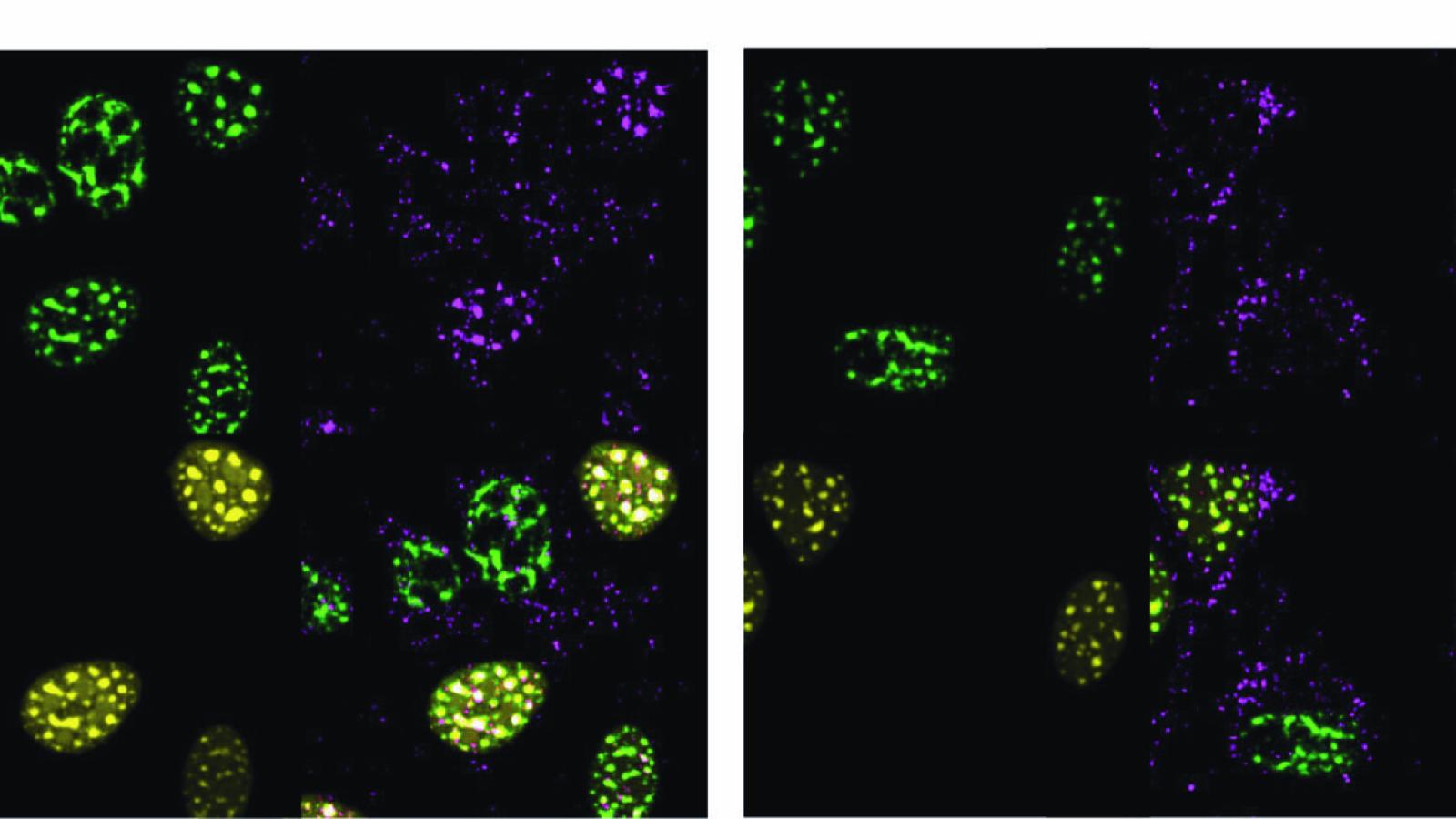
Interstasis lets cells sense the accumulation of proteins in condensates and regulate how many more of these proteins are produced. To do this, the condensate-prone proteins trap their own mRNAs (which carry the instructions for making proteins), which slows down further production of these proteins.
The new grant will allow researchers to interrogate the role of interstasis in regulating neuronal condensates and whether this could help protect from the production of toxic clumps. They will investigate how this mechanism may change when neurons experience stress due to ageing or environmental factors.
Dr Bourdenx said:
“Our project aims to reveal how genes and environmental factors work together to maintain the delicate balance of condensates within cells. We will study the crosstalk between interstasis and the known protein clearance mechanisms to help explain how neurons remain healthy during ageing.”


Further information
- Source: King's College London
- Banner image: Image from the paper that discovered interstasis. The left image shows that accumulation of certain proteins (marked in yellow) in a condensate (marked in green) captures the mRNAs (marked in purple) for these proteins. The right image shows that the impact of interstasis is very selective, as control mRNA molecules are not captured. The bottom right panel on both images shows an overlay of all three signatures.