Scientists have uncovered new evidence that challenges long-held assumptions about the causes of a common type of stroke, offering clues as to why widely used treatments may not work. The study, led by Prof Joanna Wardlaw (UK DRI at Edinburgh) and published in the journal Circulation, found that the build-up of fatty deposits in arteries does not appear to cause lacunar ischaemic stroke, which accounts for around a quarter of all ischaemic strokes – strokes caused by a blocked blood vessel – in the UK each year.
Lacunar stroke is caused by damage to the brain’s smallest blood vessels, called small vessel disease, and is a major contributor to disability, cognitive decline, dementia, and more strokes. However, its underlying causes have remained unclear, limiting progress in developing effective treatments.
Instead of the build-up of fat in arteries, researchers identified a different vascular abnormality – enlargement and widening of arteries in the brain – as being strongly linked to lacunar stroke. Experts say the findings help explain why aspirin and other antiplatelet drugs, commonly used to prevent stroke, are not so effective in preventing lacunar ischaemic stroke. The results are now helping to inform new treatment approaches, including the LACunar Intervention Trial 3 (LACI-3), which is testing drugs that directly target the brain’s small blood vessels.
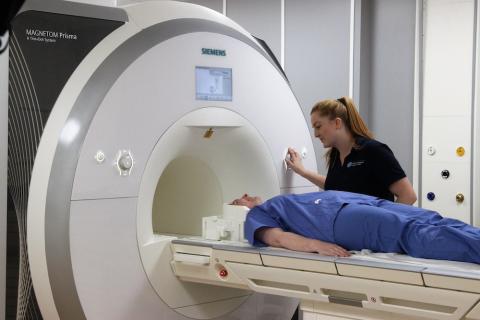
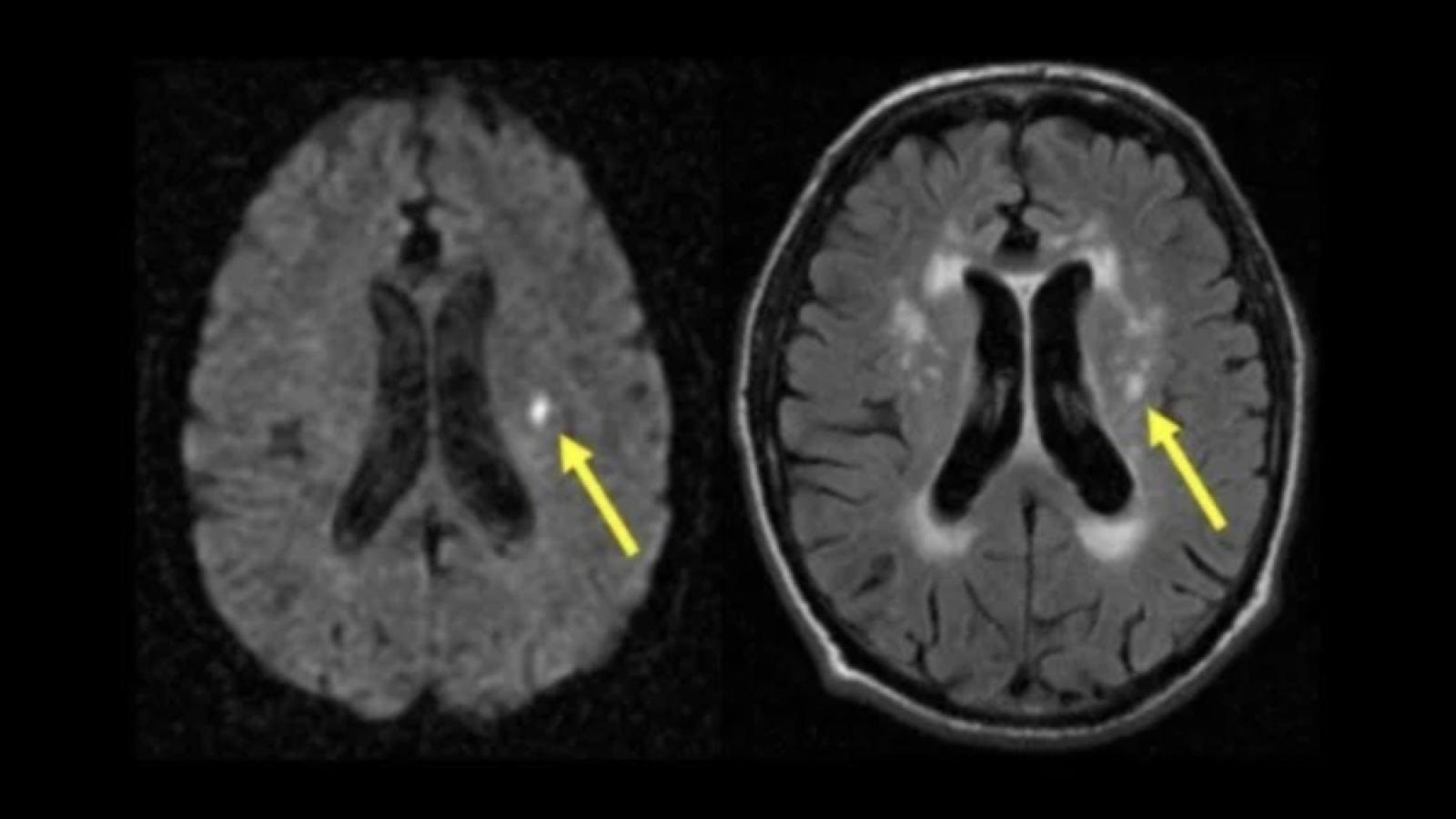
The researchers studied 229 patients who had experienced either lacunar or mild non-lacunar stroke. Participants underwent clinical and cognitive assessments, along with brain MRI scans at the time of their stroke and again one year later. These scans allowed researchers to track stroke type, signs of small vessel disease, and new areas of brain damage. They compared fatty narrowing of large arteries with widening and elongation of arteries in the brain. The study found that narrowing of large arteries was not linked to lacunar stroke or to small vessel disease. It was more commonly seen in other types of stroke and did not predict new areas of brain injury on follow-up scans. In contrast, widening of arteries showed strong links to lacunar disease. Patients with this feature were more than four times as likely to have lacunar stroke.
This study provides strong evidence that lacunar stroke is not caused by fatty blockage of larger arteries, but by disease of the small vessels within the brain itself. Recognising this distinction is crucial, because it explains why conventional treatments like antiplatelet drugs are not as effective for this type of stroke and highlights the urgent need to develop new therapies that target the underlying microvascular damage.
Group Leader and Clinical Director of the CVDR
Arterial widening was also associated with a greater burden of small vessel disease, faster worsening of brain damage, and a higher risk of developing new ‘silent’ strokes – small areas of brain tissue damage caused by interrupted blood supply that can occur without obvious symptoms. More than one in four participants developed these silent strokes during the study, despite receiving standard treatments to prevent further strokes. Researchers say future treatments should instead target the underlying small vessel damage. Trials such as LACI-3 are now testing whether existing drugs, including cilostazol and isosorbide mononitrate, can protect the brain, reduce further strokes, and help prevent problems with memory, mobility and dementia after lacunar stroke.
Maeva May, director of policy at the Stroke Association, said:
“Stroke research is chronically underfunded, with less than 1% of total UK research funding spent on the condition. Yet these findings illustrate the value of research and the potential it has to change the lives of stroke patients. This study – and more of its kind – need to be a national priority across the NHS, government and the wider research community with clear pathways to carry breakthrough discoveries from laboratory to patients.”
This study was funded by the UK DRI (funded by the UK Medical Research Council, Alzheimer’s Society and Alzheimer’s Research UK), the Leducq Foundation, the Stroke Association, British Heart Foundation, Scottish Government’s Chief Scientist Office, Row Fogo Charitable Trust, Wellcome Trust and other national agencies.
Reference:
Source: The University of Edinburgh