The big questions
- How do genetic, RNA and molecular-network mechanisms create selective vulnerability and resilience?
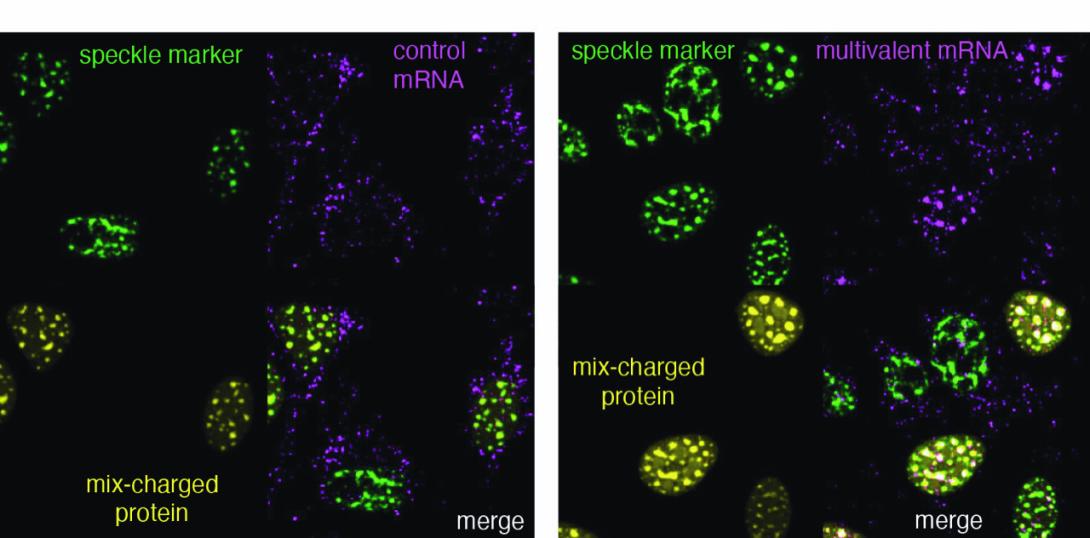
GMN will ask how human genetic variation, genome integrity (including repeat expansions), RNA transcript identity and regulation (especially via protein-RNA condensates), and molecular-network state explain why particular neurons or glia become vulnerable in specific diseases while others remain resilient. This will be enabled by interactomics, long-read, single-cell and spatial technologies.
- Which disease-associated molecular changes are causal, and which are reversible?
To identify treatable targets where the primary genetic cause cannot be corrected directly, GMN will identify convergent molecular-network changes that can be modified to reverse disease-relevant phenotypes. CRISPR/functional modifier screens, ASOs and disease/perturbation models will ask what drives progression, how this is shaped by biological variables such as sex and age, and what can be reversed.
- Which genetically anchored mechanisms are ready to move towards intervention?
GMN will build evidence around mechanisms that could plausibly become targets, biomarkers or patient-stratification routes, assessing genetic support, disease and cell-type context, reversibility, target-engagement logic, patient/stage relevance, modality options and go/no-go criteria, enabled by AI, data integration and shared pipelines.
Labs