The big questions
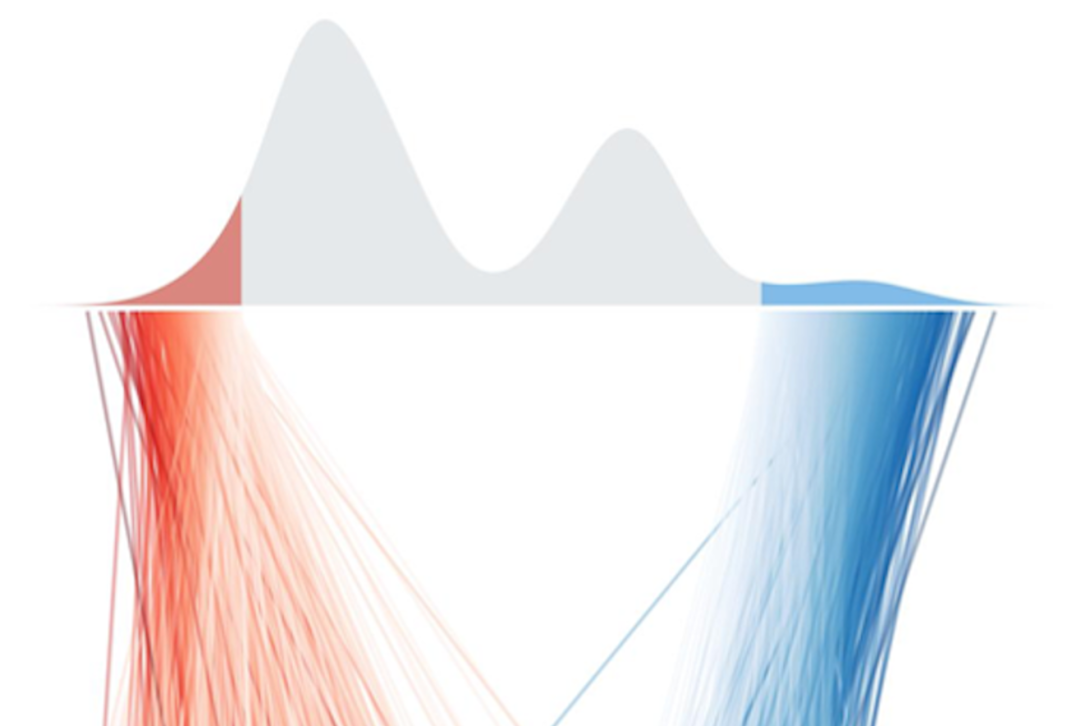
What factors across the lifespan, including genetic, biological, lifestyle, vascular and sociodemographic influences, determine who is at risk of neurodegenerative disease, and how can we detect and predict that risk accurately and equitably across diverse populations?
The Division will integrate clinical cohorts, population health data, genomics, proteomics, imaging and digital phenotyping to identify the factors that shape risk, resilience and disease progression. A central commitment will be to ensure that prediction models and biomarker tools work equitably across ethnic groups and socioeconomic backgrounds, so that the benefits of early detection reach everyone.
How can we better diagnose and detect active disease processes earlier, track progression more precisely, and stratify patients in ways that support targeted therapeutic development?
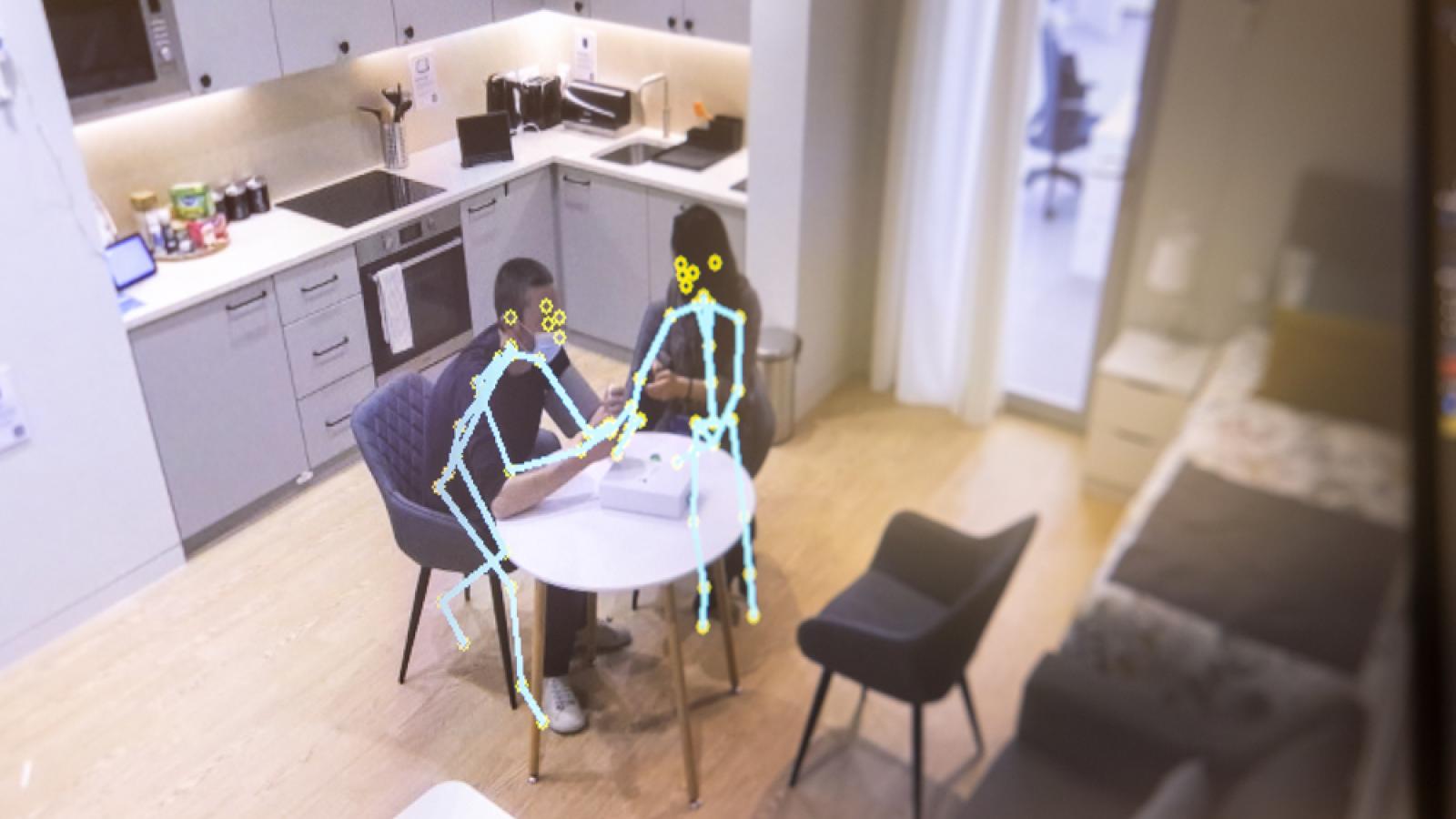
Building on advances in fluid biomarkers, imaging and digital medicine, the Division will develop multimodal approaches for diagnosis and detection that reveal active pathological processes, including neuroinflammation, synaptic dysfunction and protein aggregation. These tools will support patient stratification, target identification and outcome measures for clinical trials, creating a platform that connects discovery science directly to drug development.
How do we translate research discoveries into better care, more effective treatments and meaningful improvements in the lives of people living with neurodegenerative disease?
The Division will establish an end-to-end translational pathway linking laboratory discoveries to clinical trials, experimental medicine and real-world implementation. Alongside this, it will advance care research that prioritises quality of life, independent living and digitally enabled community care, with people affected by dementia central to shaping research priorities and study designs throughout.