Search
Main content
Paul Matthews

Prof Paul Matthews

OBE, DPhil, MD, FRCP, FMedSci ((he/him))

Group Leader

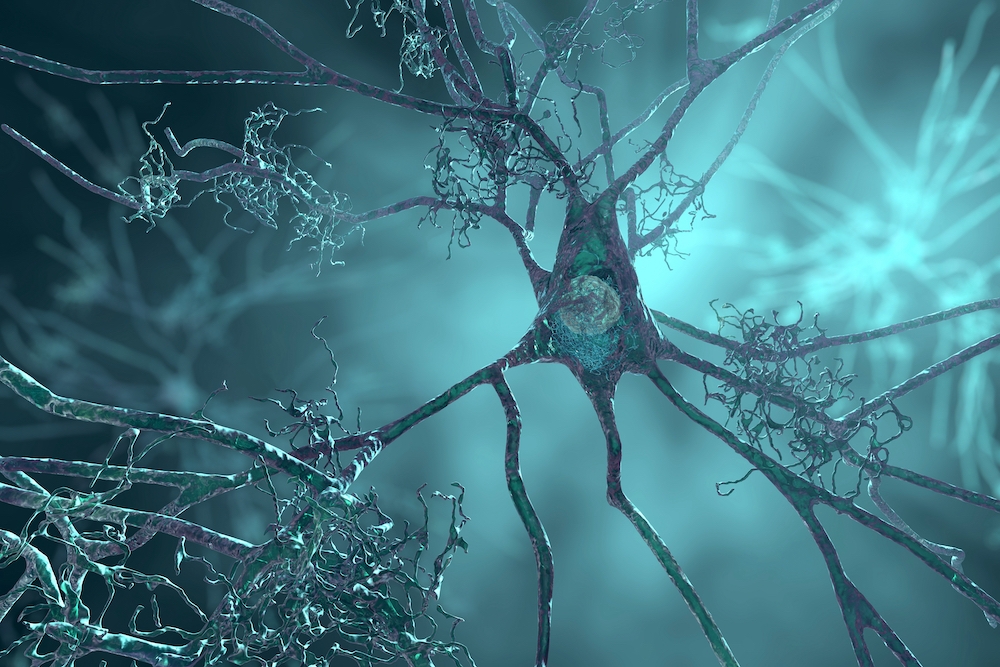
Exploring neuronal vulnerability and genetic risk variants in Alzheimer’s progression

Techniques

Advanced spectroscopy, Bioinformatics, Biophysical techniques, Experimental medicine, Human brain imaging, Lipidomics, Single cell / nucleus transcriptomics, Statistical modelling, Stem cells / iPSCs

Biography

Paul is a neurologist with a research focus on neuroinflammatory mechanisms of neurodegeneration in Alzheimer’s disease (AD) and multiple sclerosis.

He read chemistry as an undergraduate in Oxford, completed his DPhil there in the biochemistry laboratory of Prof. Sir George Radda, then obtained an MD and was an intern in medicine at Stanford University with a part-time post-doctoral period in the Department of Pharmacology before moving to the Montreal Neurological Institute (MNI) for a Residency in Neurology. Following this, he spent a further three post-doctoral years in the Genetics Laboratory in Oxford before becoming an Assistant Professor of Neurology and Genetics at McGill University. He returned to Oxford in 1995 as an MRC Clinical Research Reader (later Professor) where he was the founding Director of Oxford’s Centre for Functional Magnetic Resonance Imaging of the Brain (FMRIB). From 2005, he became a Vice President in GlaxoSmithKline, holding a variety of senior portfolios, including those for the GSK Clinical Imaging Centre and, later, the Global Imaging Group. He was Chair of the UKRI MRC Neuroscience and Mental Health Board 2020-24.

Paul is a Fellow of the Academy of Medical Sciences, a Fellow by Special Election of St Edmund Hall, Oxford and a Fellow of the Academia Europea. He was made an Officer of the Most Excellent Order of the British Empire (OBE) in 2008 for services to Neuroscience.  

News

Key publications

N Engl J Med
Published
Tominersen in Adults with Manifest Huntington's Disease.
Authors
Peter McColgan, Alpa Thobhani, Lauren Boak, Scott A Schobel, Alessia Nicotra, Giuseppe Palermo, Dylan Trundell, Julian Zhou, Valerie Schlegel, Patricia Sanwald Ducray, David J Hawellek, Jonas Dorn, Cedric Simillion, Michael Lindemann, Vicki Wheelock, Alexandra Durr, Karen E Anderson, Jeffrey D Long, Edward J Wild, G Bernhard Landwehrmeyer, Blair R Leavitt, Sarah J Tabrizi, Rachelle Doody,
Tominersen in Adults with Manifest Huntington's Disease.
JAMA
Published
Donanemab in Early Symptomatic Alzheimer Disease: The TRAILBLAZER-ALZ 2 Randomized Clinical Trial.
Authors
John R Sims, Jennifer A Zimmer, Cynthia D Evans, Ming Lu, Paul Ardayfio, JonDavid Sparks, Alette M Wessels, Sergey Shcherbinin, Hong Wang, Emel Serap Monkul Nery, Emily C Collins, Paul Solomon, Stephen Salloway, Liana G Apostolova, Oskar Hansson, Craig Ritchie, Dawn A Brooks, Mark Mintun, Daniel M Skovronsky,
Donanemab in Early Symptomatic Alzheimer Disease: The TRAILBLAZER-ALZ 2 Randomized Clinical Trial.
Brain
Published
Functional genomics provide key insights to improve the diagnostic yield of hereditary ataxia.
Authors
Zhongbo Chen, Arianna Tucci, Valentina Cipriani, Emil K Gustavsson, Kristina Ibañez, Regina H Reynolds, David Zhang, Letizia Vestito, Alejandro Cisterna García, Siddharth Sethi, Jonathan W Brenton, Sonia García-Ruiz, Aine Fairbrother-Browne, Ana-Luisa Gil-Martinez, , Nick Wood, John A Hardy, Damian Smedley, Henry Houlden, Juan Botía, Mina Ryten
Functional genomics provide key insights to improve the diagnostic yield of hereditary ataxia.
JAMA Neurol
Published
Isosorbide Mononitrate and Cilostazol Treatment in Patients With Symptomatic Cerebral Small Vessel Disease: The Lacunar Intervention Trial-2 (LACI-2) Randomized Clinical Trial.
Authors
Joanna M Wardlaw, Lisa J Woodhouse, Iris I Mhlanga, Katherine Oatey, Anna K Heye, John Bamford, Vera Cvoro, Fergus N Doubal, Timothy England, Ahamad Hassan, Alan Montgomery, John T O'Brien, Christine Roffe, Nikola Sprigg, David J Werring, Philip M Bath,
Isosorbide Mononitrate and Cilostazol Treatment in Patients With Symptomatic Cerebral Small Vessel Disease: The Lacunar Intervention Trial-2 (LACI-2) Randomized Clinical Trial.

Matthews Lab

Explore the work of the Matthews Lab focused on neuronal vulnerability and genetic risk variants in the progression of Alzheimer’s disease.