Search
Main content
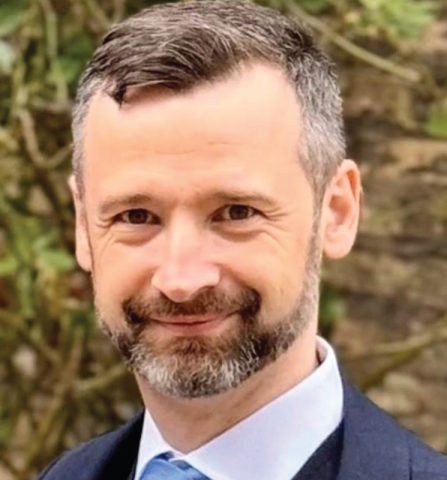
Gabriel Balmus

Prof Gabriel Balmus

Group Leader

Identifying genetic and environmental factors involved in DNA damage, neurodegeneration and ageing in neurons

Biography

Interested in the mechanisms controlling the maintenance of nuclear and mitochondrial genomes in mature neurons, Prof Gabriel Balmus joined the UK DRI at Cambridge in 2018. Obtaining his PhD in Molecular and Integrative Physiology in 2013 at Cornell University, USA, he went on to complete postdoctoral training at the Gurdon Institute at University of Cambridge and the Wellcome Trust Sanger Institute. As Group Leader, Gabriel brings his wealth of expertise to research genomic instability in neurodegenerative diseases.

News

Key publications

Neuron
Published
Integrated omics reveals disease-associated radial glia-like cells with epigenetically dysregulated interferon response in multiple sclerosis
Authors
Bongsoo Park, Alexandra M Nicaise, Dimitrios Tsitsipatis, Liviu Pirvan, Daniel Zucha, Andi Munteanu, Pranathi Prasad, Miguel Larraz Lopez De Novales, Cristian Bulgaru, Rafael Kollyfas, Julia Whitten, Cory M Willis, Luka Culig, Joseph Llewellyn, Rosana-Bristena Ionescu, Magdy Mekdad, Madalena B C Simões-Abade, Grzegorz Krzak, Jinshui Fan, Supriyo De, Matthew O Ellis, Marta Suarez Cubero, Angeliki Spathopoulou, Luca Peruzzotti-Jametti, Tommaso Leonardi, Gabriel Balmus, Frank Edenhofer, Myriam Gorospe, Lukas Valihrach, Irina Mohorianu, Stefano Pluchino, Isabel Beerman
Integrated omics reveals disease-associated radial glia-like cells with epigenetically dysregulated interferon response in multiple sclerosis
Molecular oncology
Published
Adaptaquin is selectively toxic to glioma stem cells through disruption of iron and cholesterol metabolism
Authors
Adrien M Vaquié, Davod R Shah, Eliane E S Brechbühl, Michael McNicholas, Zhaoyang Xu, John H Stockley, Laura Morcom, Diana Gold Diaz, Gemma C Girdler, Rachel V Seear, Gabriel Balmus, Rajiv R Ratan, Harry Bulstrode, James A Nathan, Manav Pathania, Kevin M Brindle, David H Rowitch
Adaptaquin is selectively toxic to glioma stem cells through disruption of iron and cholesterol metabolism

Balmus Lab

Explore the work of the Balmus lab, aiming to identify neuroprotective mechanisms against genomic instability accrual in ageing and neurodegeneration. 
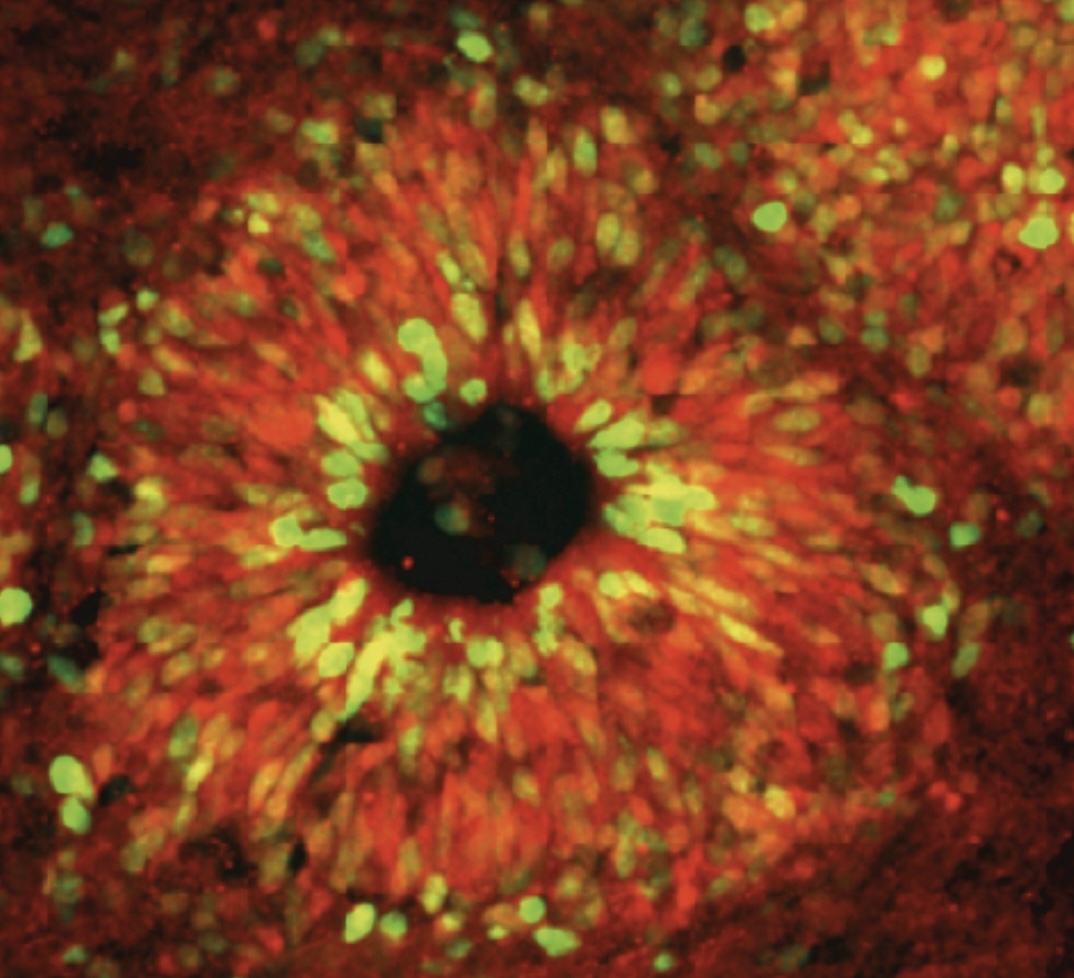
Image of a brain organoid