Biography
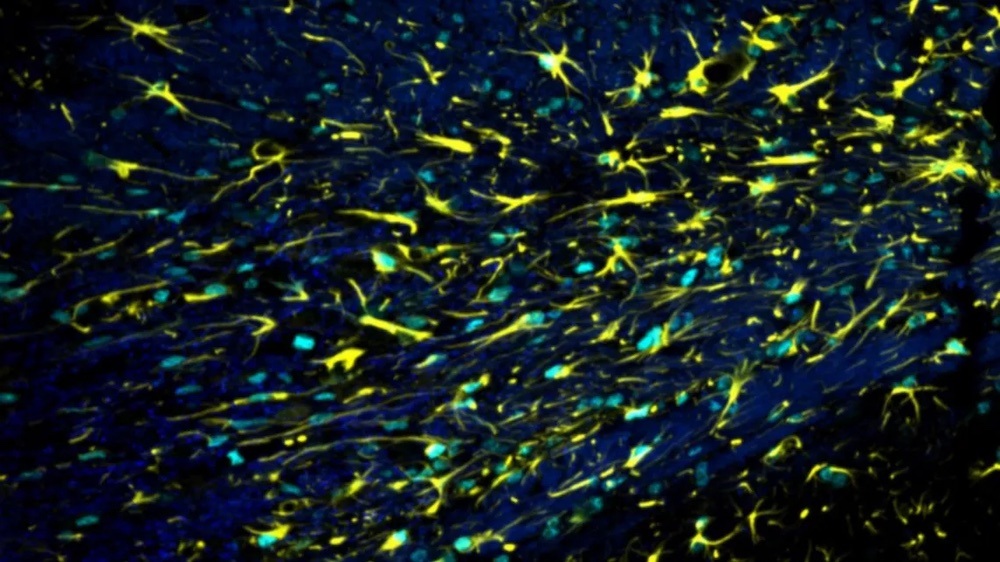
Prof Veronique Miron’s research focuses on white matter health and pathology, revealing the cellular and molecular mechanisms by which oligodendrocytes become dysfunctional in ageing and neurodegenerative diseases such as Alzheimer’s. Her work has shown that communication between oligodendrocytes and other glial cells is critical for myelin maintenance and repair.
In addition to research, Prof Miron is an advocate for equality and diversity in STEM, and supporting the ECR community.
Honours & awards
- International Society for Neuroimmunology (ISNI) Mid-Career Award in Fundamental Neuroimmunology 2025
- Elected to the Royal Society of Canada (College of New Scholars) 2024
- Unity Health Toronto Legacy Award 2024
- MRC Senior Non-Clinical Fellowship 2021
- Suffrage Science Award in Life Sciences 2020
- MRC Career Development Award 2015
News

The Miron Lab
Explore the work of the Miron Lab, using a combination of human brain tissue analysis and experimental modelling to understand how myelin changes with aging and dementia, and how we can intervene to prevent cognitive decline