Our five Research Divisions strengthen our science across a united Institute, creating connections across our entire national community. They create new opportunities for collaboration, funding, and career development. Each Division has two Division Leaders, a Deputy and a Science Portfolio Manager from the Research Operations team.
Multicellular Roles: Vascular, Glial, Immune
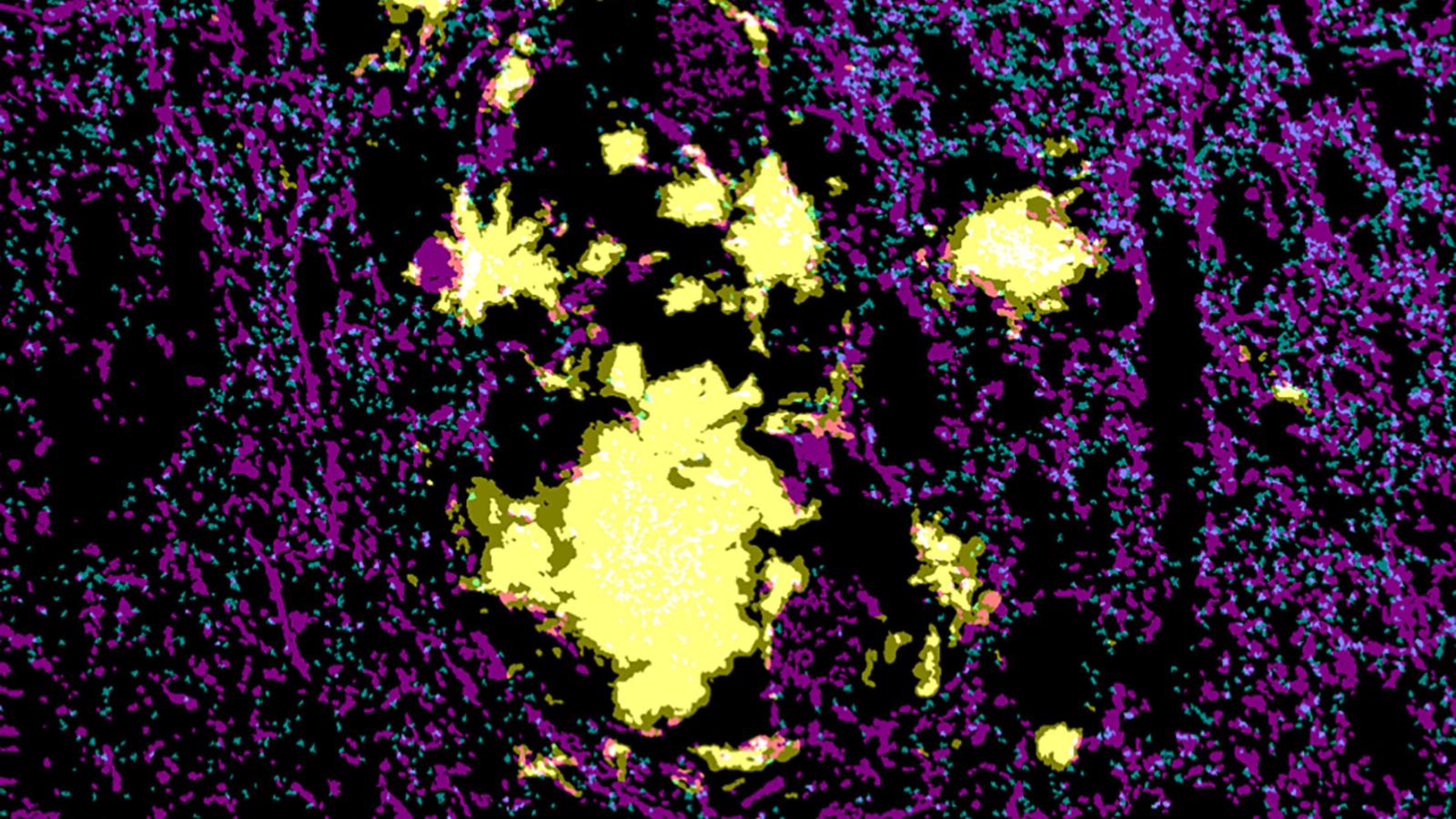
Cell types other than neurons make major contributions to dementia. This Division examines how vascular dysfunction, glial cell biology and immune responses contribute to disease pathogenesis. Both Alzheimer’s Disease and Vascular Dementia involve a decrease of cerebral blood flow and loss of blood-brain barrier function. Astrocytes, oligodendrocytes and microglia play key roles by regulating neuronal excitability, controlling synapse number and strength, and helping to remove but also to generate toxic molecules. Central and peripheral immune responses contribute to both protective and damaging aspects of the development of dementia. Thus, in order to cure, prevent or slow dementia, it is essential to understand the many different types of cells contributing to its induction and progression.
Division leads and support


Cell Biology & Proteostasis
Understanding how cells maintain protein homeostasis is fundamental to neurodegeneration research. This division brings together researchers investigating protein folding dynamics, quality control mechanisms including the ubiquitin-proteasome system, and degradative pathways such as autophagy and the endolysosomal system. Work spans from structural biology of misfolded proteins through to cellular stress responses and the interplay between proteostasis networks and organelle dysfunction. The division aims to translate mechanistic understanding of proteostasis failure and organelle dysfunction into therapeutic approaches that restore cellular homeostasis in neurodegenerative disease.
Division leads and support


Genetics & Molecular Networks
Advances in genomics have transformed our understanding of neurodegenerative diseases, yet translating these discoveries into effective treatments remains difficult. This division aims to go beyond statistical links and build molecular models that explain how specific diseases develop. Using systems biology, functional genomics, and epigenetic approaches, we investigate how the crosstalk between genetic variation, ageing and environmental stress disrupts molecular networks in specific cell types. By mapping these changes, we will be able to pinpoint druggable nodes within the networks that drive neurodegeneration.
Division leads

Synapses, Circuits, Cognition and Physiology
Synapses, circuits, and healthy brain physiology underpin normal cognition. Cognitive decline and functional impairments in dementias emerge from disruptions these physiological processes. This division integrates research from molecular synaptopathy through to large-scale network dysfunction, examining how synaptic loss, altered neurotransmission, and circuit remodelling translate into cognitive and behavioural phenotypes. The goal of the division is to understand how disruption to synapses, circuits and physiology contribute to cognitive and functional decline in diseases that cause dementia, and to use this knowledge to develop treatments to boost resilience and protect the brain from pathological changes.
Division leads


Risk, Lifestyle, Diagnosis and Care
Moving discoveries from laboratory to clinic requires understanding disease risk, developing robust biomarkers, and improving patient outcomes. This division addresses the full translational spectrum, from epidemiological studies identifying modifiable risk factors through to development of diagnostic tools for early detection and innovative care technologies that enable people to live well with dementia. Research encompasses lifestyle interventions, biomarker discovery and validation in diverse populations, and strategies to improve care delivery and quality of life for patients and families. By connecting fundamental research to real-world impact, this division ensures UK DRI’s discoveries translate into tangible benefits for those affected by neurodegeneration.
Division leads